December 24, 10 am ETPublic radio
A Festival of Nine Lessons and Carols
Live from the chapel of King's College, Cambridge, on public radio stations across America. Check your local station.

Christmas around the world Britain
A cracker at every plate, carols by candlelight and a mince pie left out for Father Christmas
Regent Street, London, at Christmas
Britain keeps Christmas with customs that are centuries old, and many that the Victorians made their own: a pudding stirred weeks ahead, crackers pulled at the table, carols by candlelight and the King's message at three. Here is how England, Scotland and Wales celebrate, and how to bring a little of it home: a recipe card for mince pies, the British pantry and two Hallmark movies set there this year.
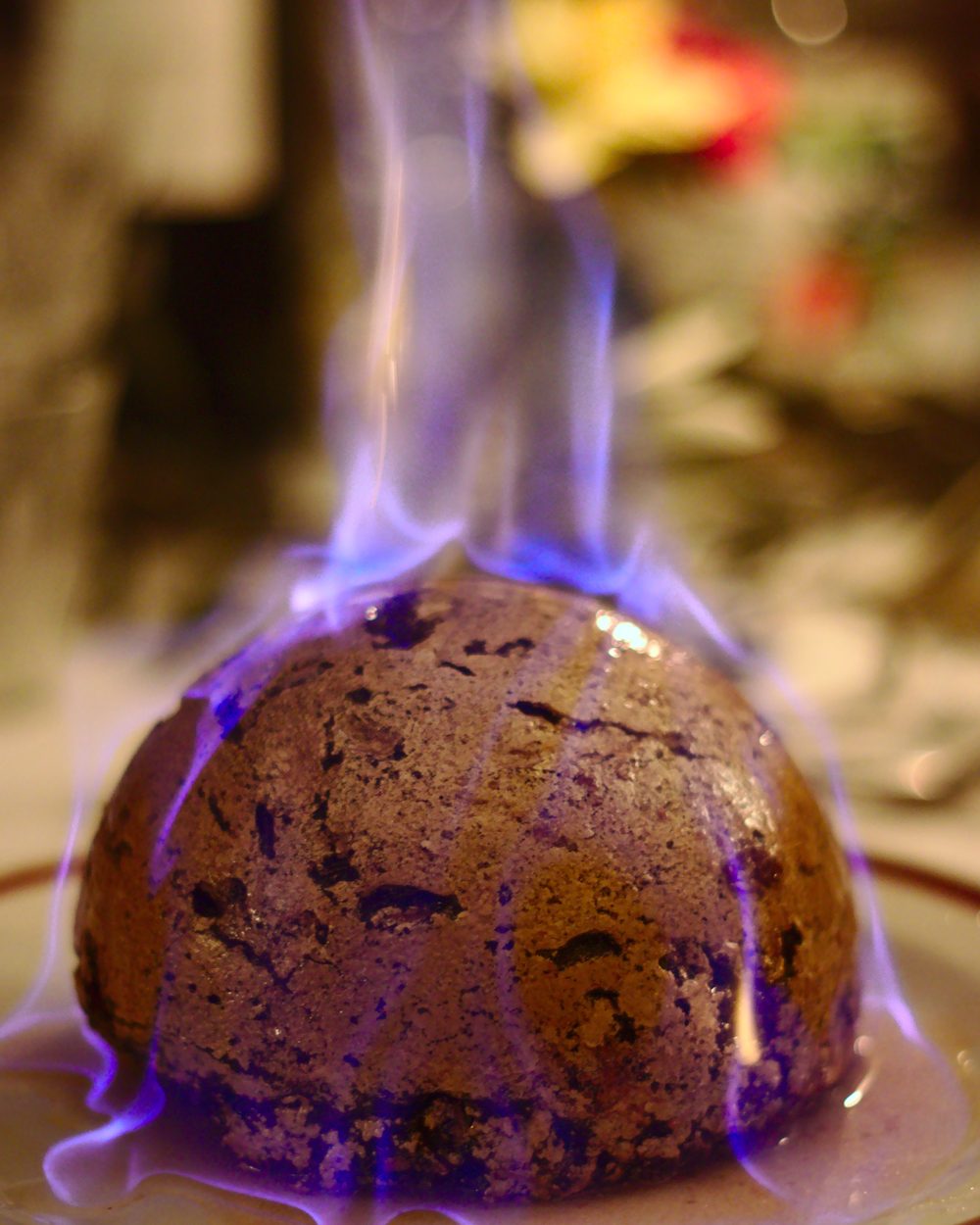
Stir-up Sunday, November 22
The Christmas pudding is made weeks ahead, on the last Sunday before Advent. The day takes its name from that Sunday's old prayer in the Book of Common Prayer, which begins, "Stir up, we beseech thee, O Lord, the wills of thy faithful people." In 2026 it falls on November 22.
The Victorians made it pudding day. By custom the whole family takes a turn at the bowl, each stirring from east to west in honor of the Wise Men, and a silver coin goes in for wealth in the year ahead. On Christmas Day the pudding comes to the table with a sprig of holly on top, and in many homes it is set alight with a little brandy, the way the Cratchits' pudding arrives in A Christmas Carol, "like a speckled cannon-ball."
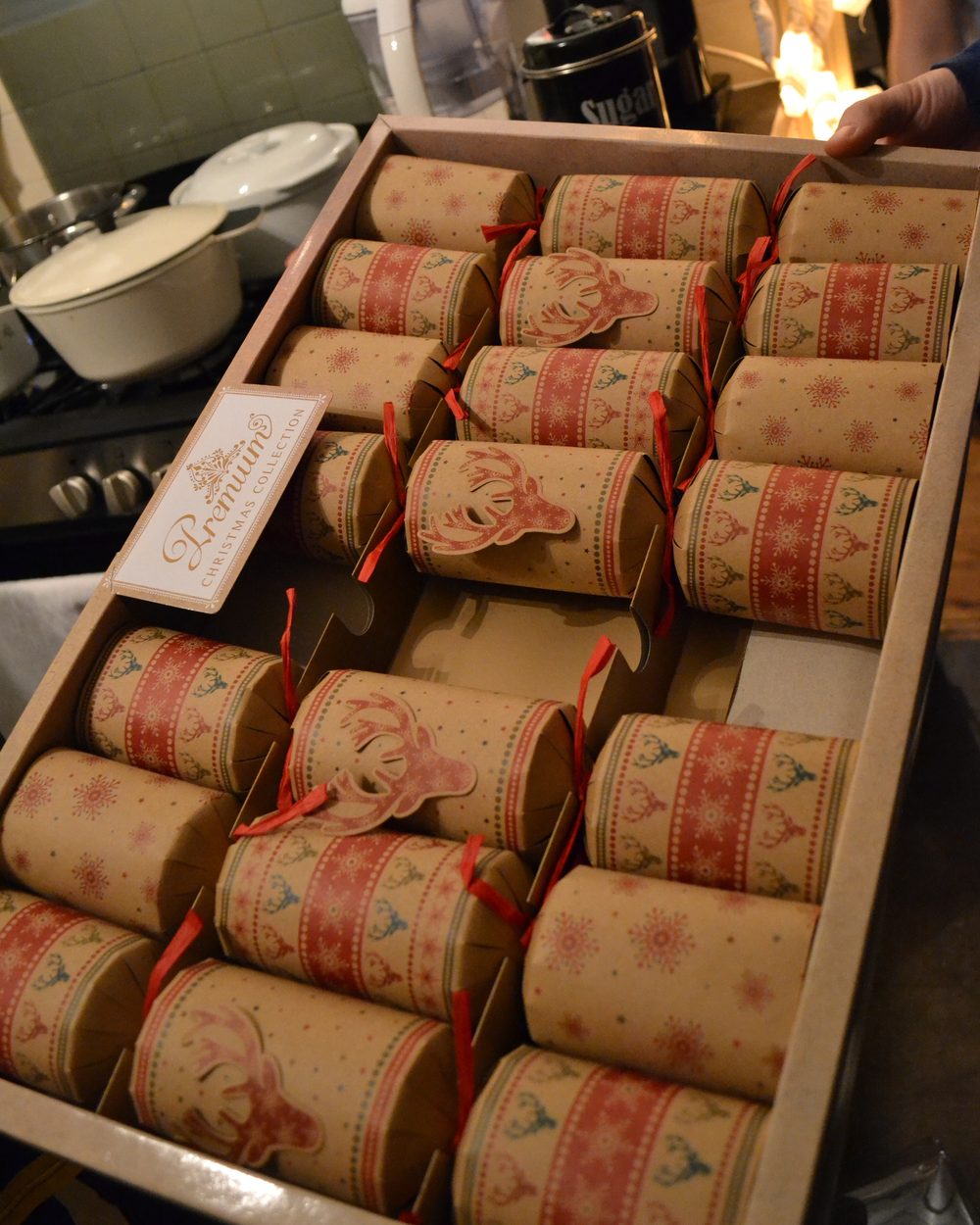
Christmas crackers
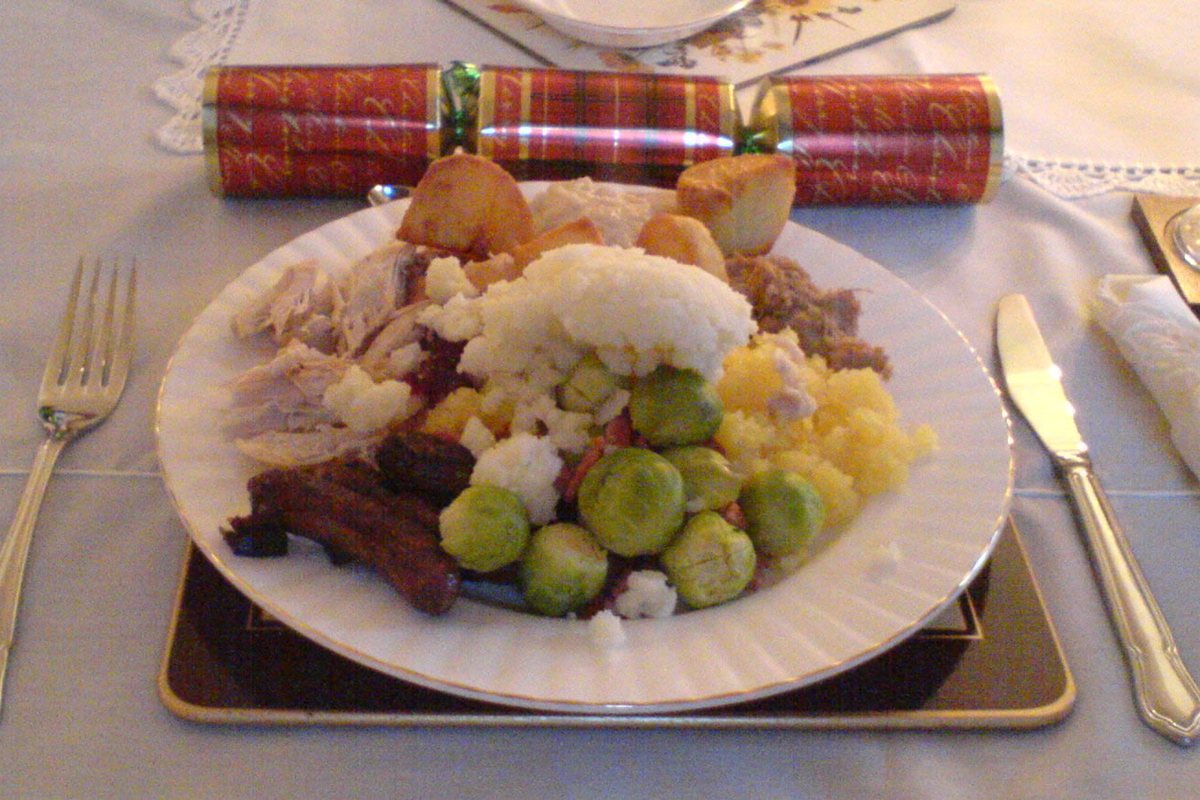
Beside every plate at a British Christmas dinner lies a cracker, a bright paper tube that two people pull until it breaks open with a pop. Inside are a paper crown, a joke and a small gift, and the crowns stay on all through the meal.
A London confectioner, Tom Smith, invented them in the 1840s. He began by wrapping little paper mottoes into his sweets, then added the snap, made the crackers bigger and swapped the sweets for small gifts. The paper hats came later, from his son Walter.
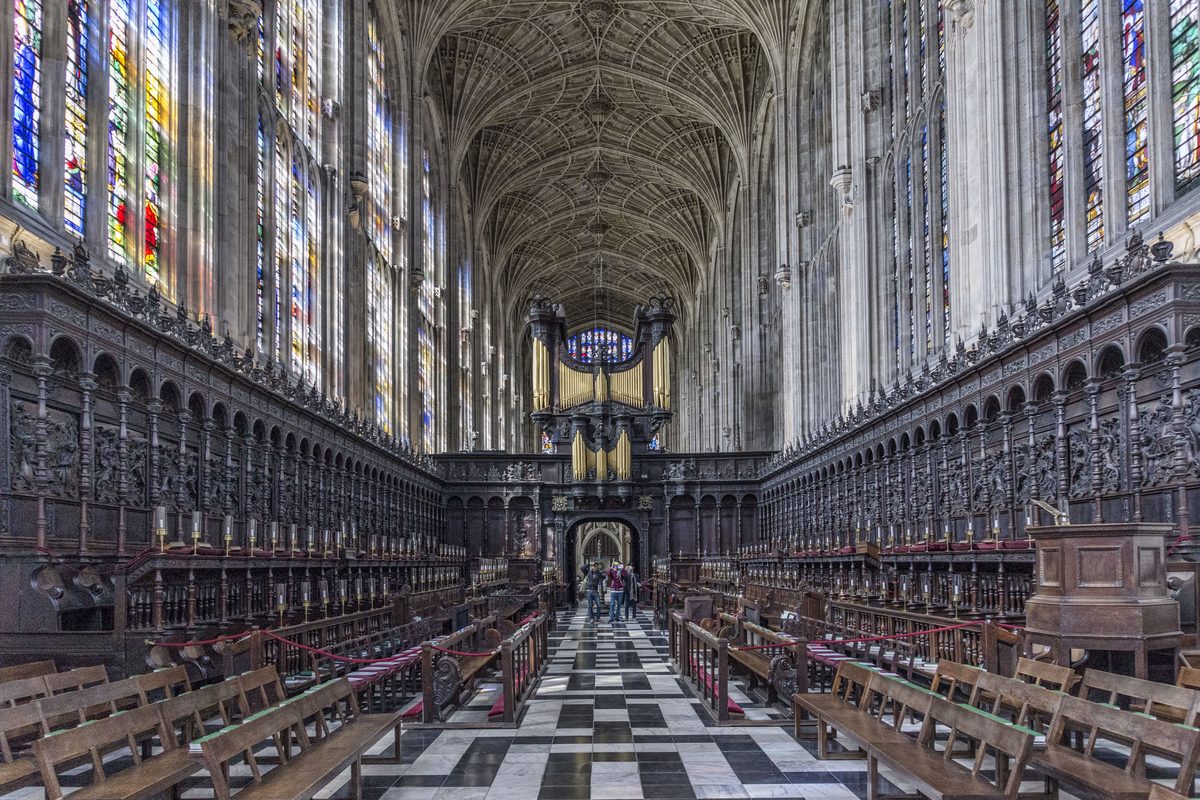
King's College, Cambridge
At 3 pm on Christmas Eve, A Festival of Nine Lessons and Carols begins in the chapel of King's College, Cambridge. The service was first held there on Christmas Eve in 1918, and since 1919 it has always opened with "Once in Royal David's City."
It went out on the radio for the first time in 1928, and it has been broadcast every year since except 1930, even through the Second World War. In America, public radio carries it live on Christmas Eve morning, at 10 am Eastern. Check your local station.
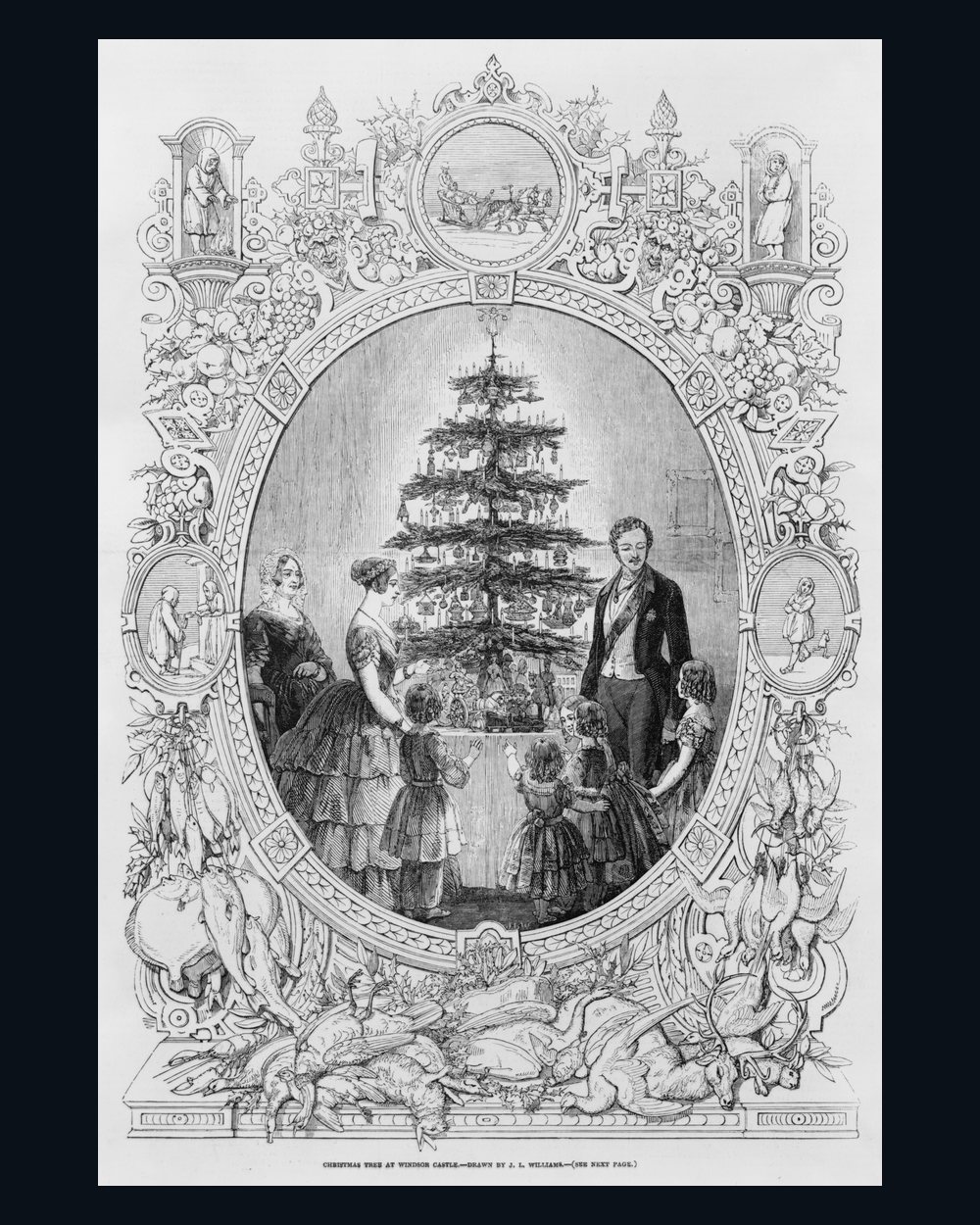
Windsor Castle, 1848
Queen Charlotte, the German-born wife of George III, set up the royal family's first Christmas tree at Windsor in 1800. But it was Queen Victoria and Prince Albert who made the tree beloved. Albert trimmed the Windsor trees himself with wax candles and sweets, and in 1848 the Illustrated London News printed a picture of the royal family around one. It caught the country's imagination.
Two years later an American magazine, Godey's Lady's Book, printed its own Americanized copy, and the National Park Service says Americans' fondness for the Queen helped bring the Christmas tree into American homes.
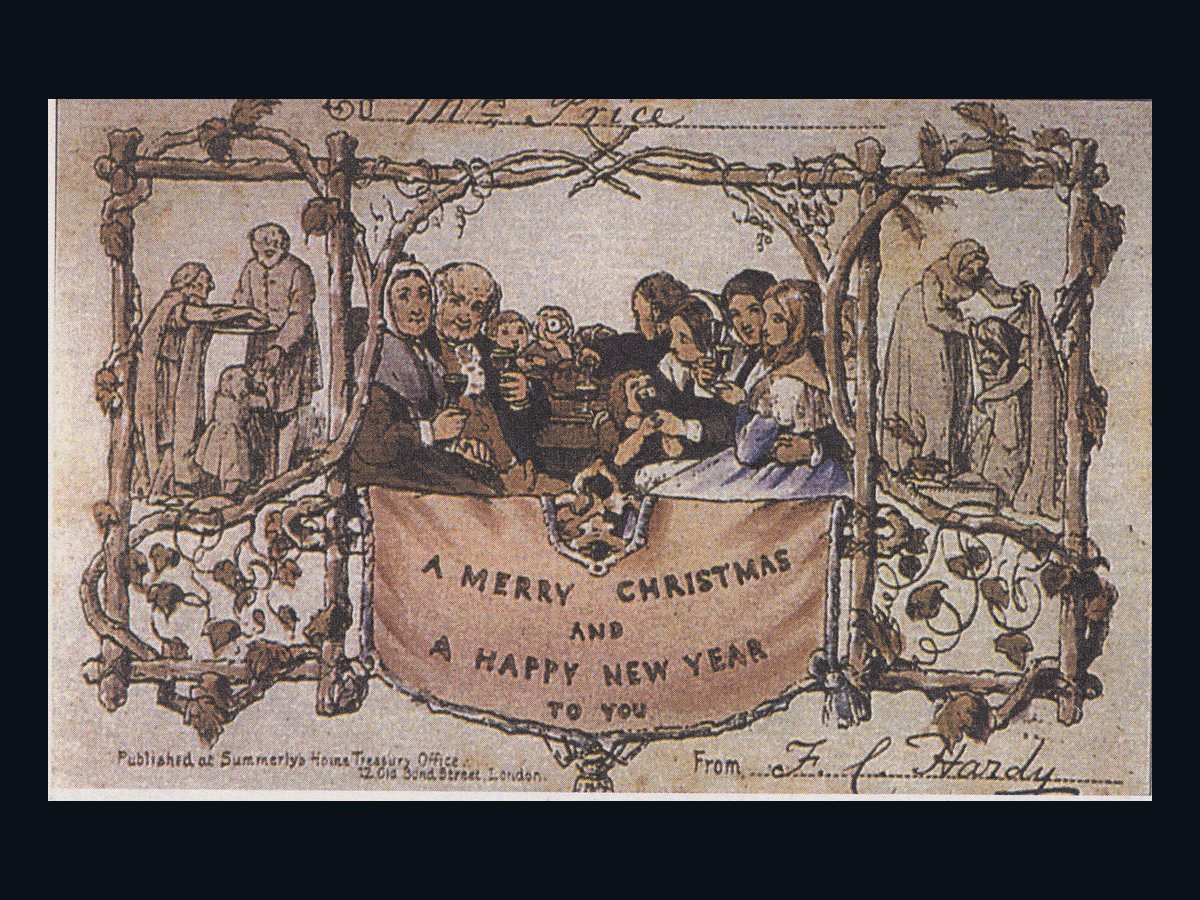
London, 1843
In 1843 Henry Cole, a busy London civil servant, had more Christmas mail to answer than he had time for. He asked his friend, the artist John Callcott Horsley, to design a card instead. At its center, three generations of a family raise a toast, framed by scenes of giving to the poor. A thousand were printed, and it was the first Christmas card.
It was quite a Christmas. That same year Charles Dickens published A Christmas Carol, and Queen Victoria's Christmas dinner included plum pudding and mince pies.
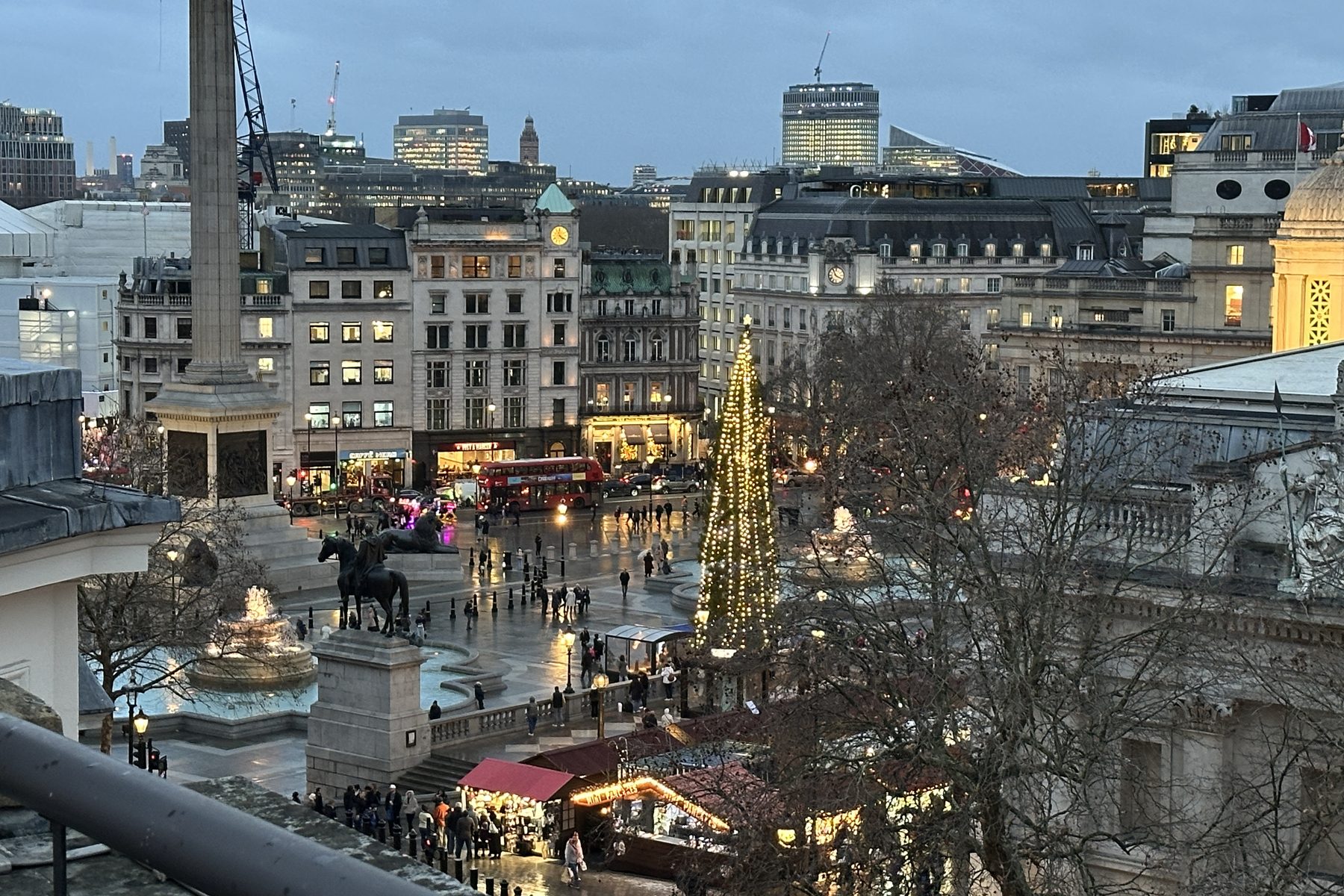
Trafalgar Square
Every year since 1947, the people of Norway have given London a Christmas tree, in thanks for Britain's help during the Second World War. It is usually a Norway spruce more than 65 feet tall, chosen in the forests around Oslo, felled in November and brought across the sea.
It is trimmed the Norwegian way, with strings of lights hung straight down, and carol singers gather at its foot all through December.
Trafalgar Square at ChristmasPhoto: Matt Brown, CC BY 4.0, cropped
Wales and Scotland
In Wales, the plygain is a carol service by candlelight, once held in the parish church before dawn on Christmas morning. Group after group sings old Welsh carols, and it is a point of honor never to repeat one already sung.
In Scotland, the church discouraged Christmas for centuries after the Reformation, and it did not become a public holiday there until the second half of the 1900s. New Year's Eve, Hogmanay, became the great winter feast. After midnight friends first-foot their neighbors, arriving with shortbread for luck, and everyone joins hands for Auld Lang Syne.
Christmas Eve and Christmas Day
Three British Christmas broadcasts you can share from this side of the Atlantic.
December 24, 10 am ETPublic radio
Live from the chapel of King's College, Cambridge, on public radio stations across America. Check your local station.
December 24, 12:30 pm ETOnline
The cathedral's Christmas Eve carol service, with the Cathedral Choir, streamed live from Canterbury.
December 25, 10 am ETTV and online
Shown in Britain at 3 pm. The first, in 1932, was George V on the radio, in words by Rudyard Kipling. In America, C-SPAN has carried it in recent years.
The recipe card
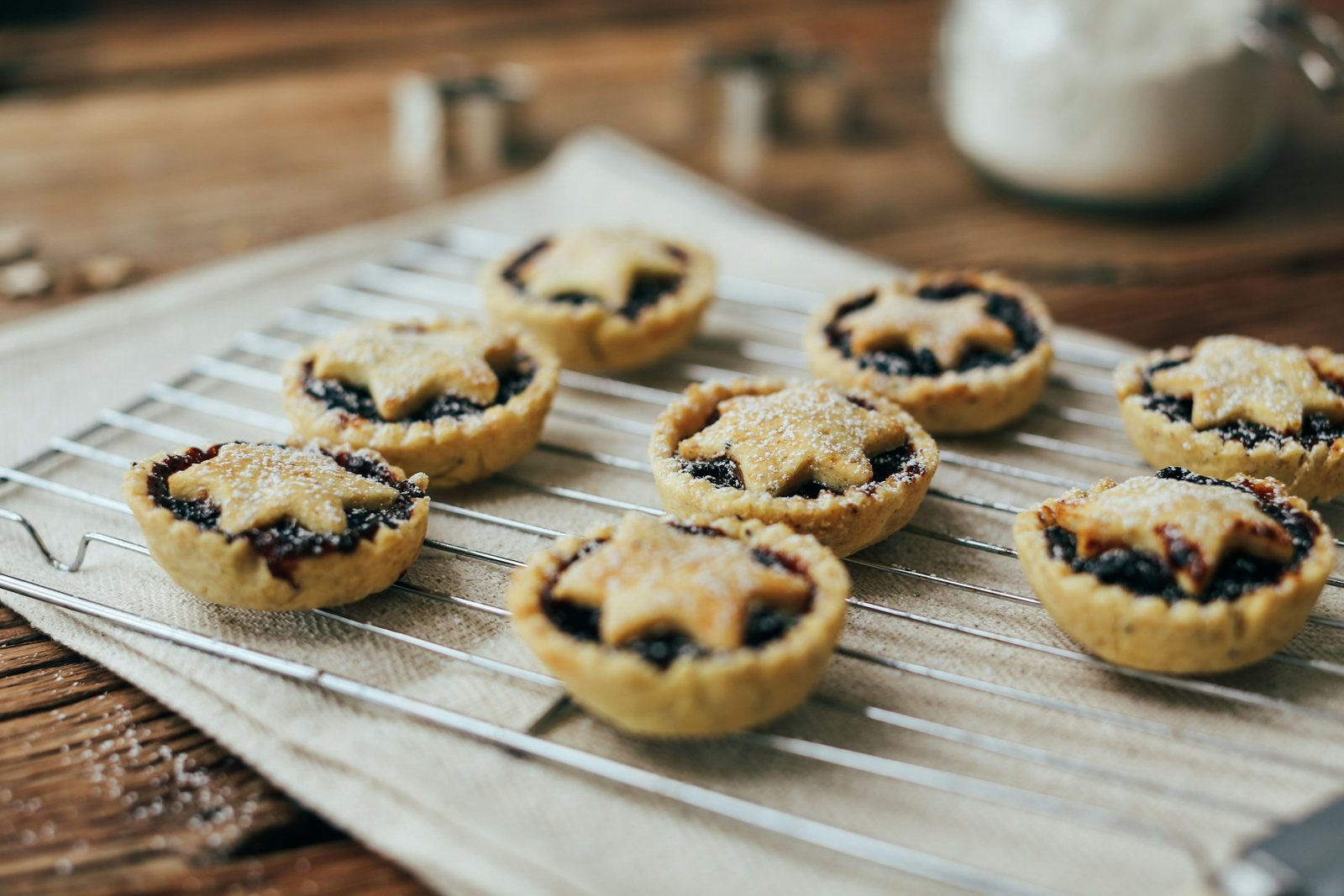
A British Christmas JustChristmas
Little star-topped Christmas pies
justchristmas.net/recipes/mince-pies
Shop the pantry
Everything for a tray of mince pies and a British Christmas at home, from the crackers to the carols.
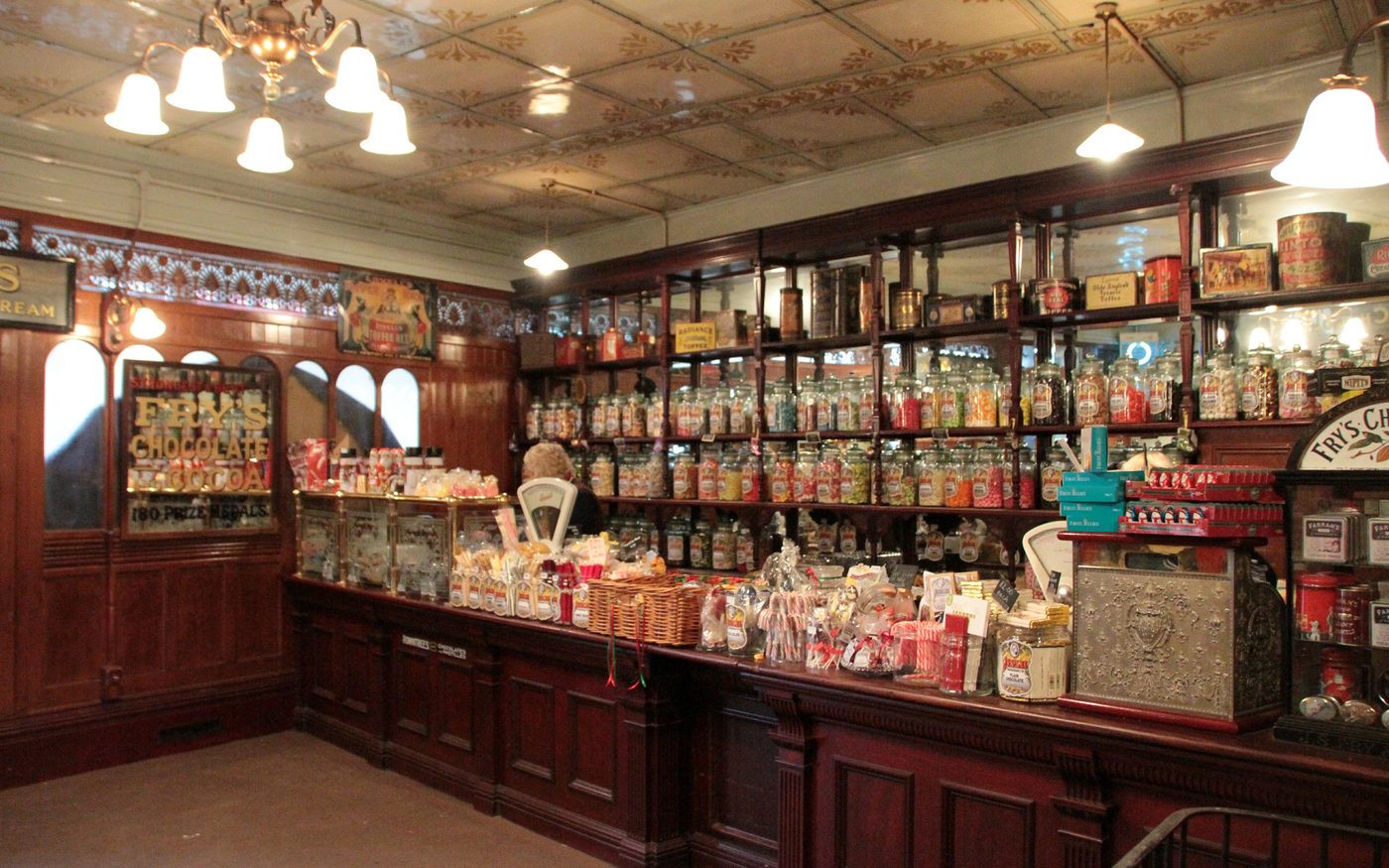
All-purpose flour (Paid link)Unsalted butter (Paid link)Sugar (Paid link)Mincemeat (Paid link)Powdered sugar (Paid link)
As an Amazon Associate we earn from qualifying purchases.
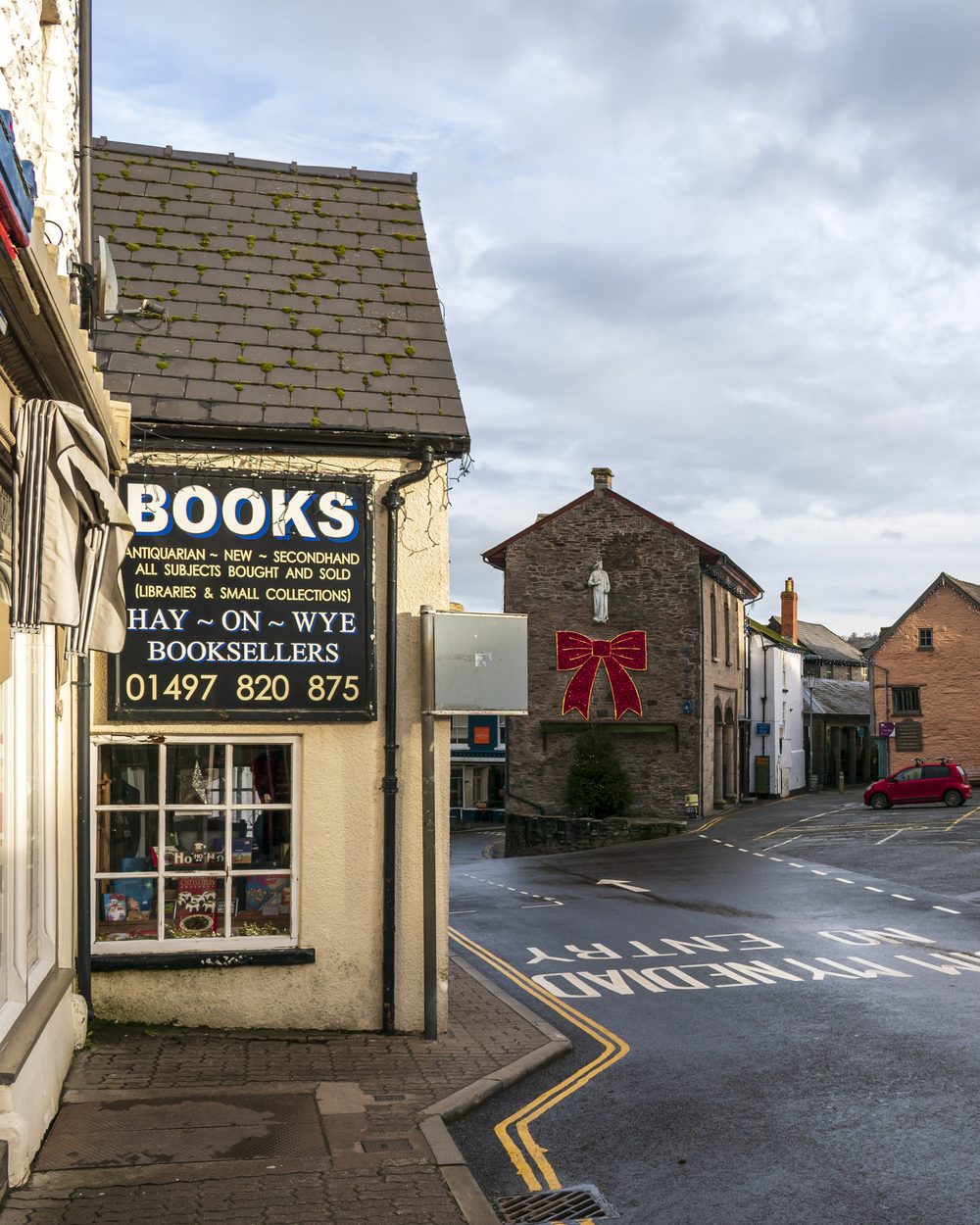
Watch with it
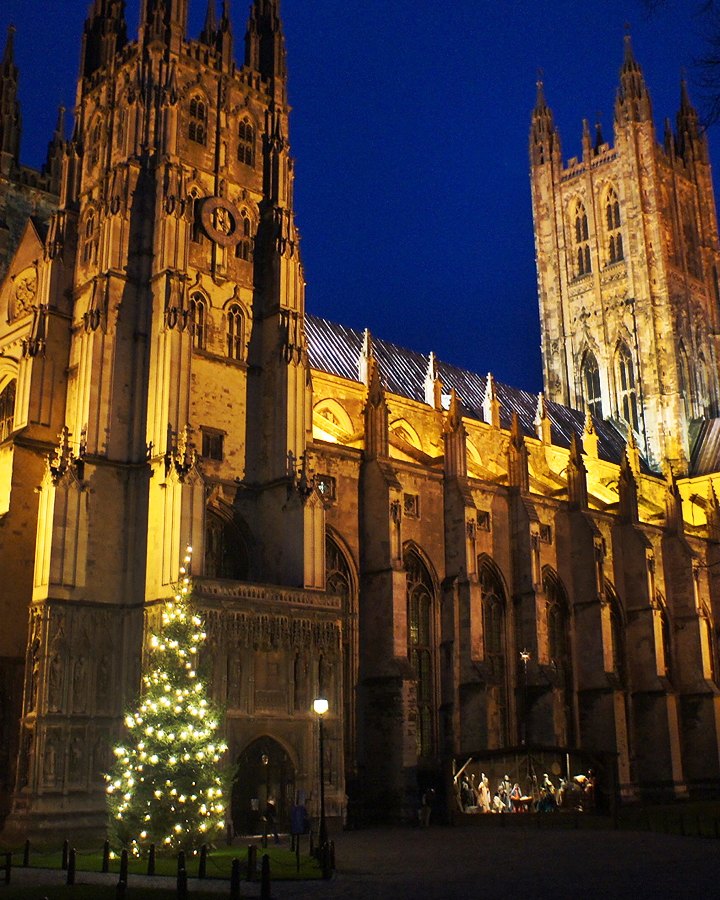
Watch with it
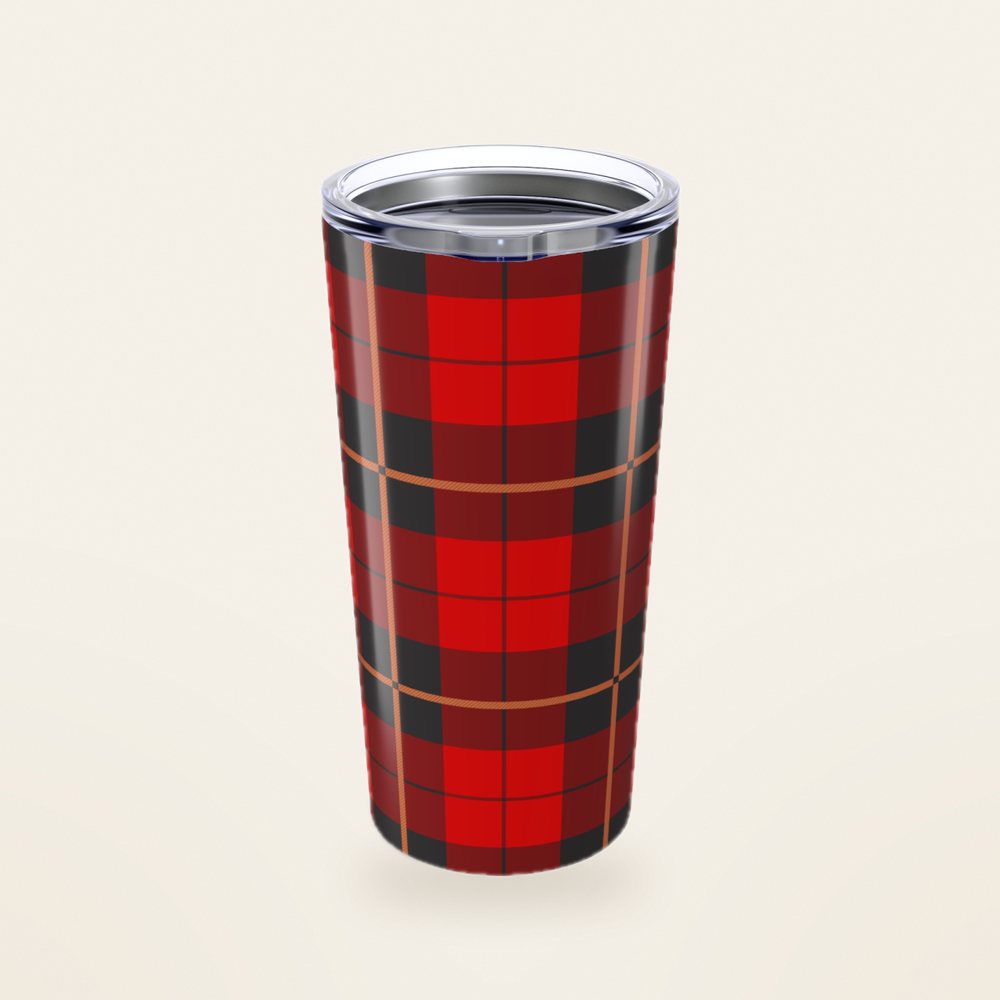 From our shop Tartan tumbler A pot of tea goes with every mince pie. Pour yours into our tartan tumbler, a nod to Scotland.
The JustChristmas email
Join for recipes, traditions and the season's new movies.
The network's official trailer, on YouTube.